

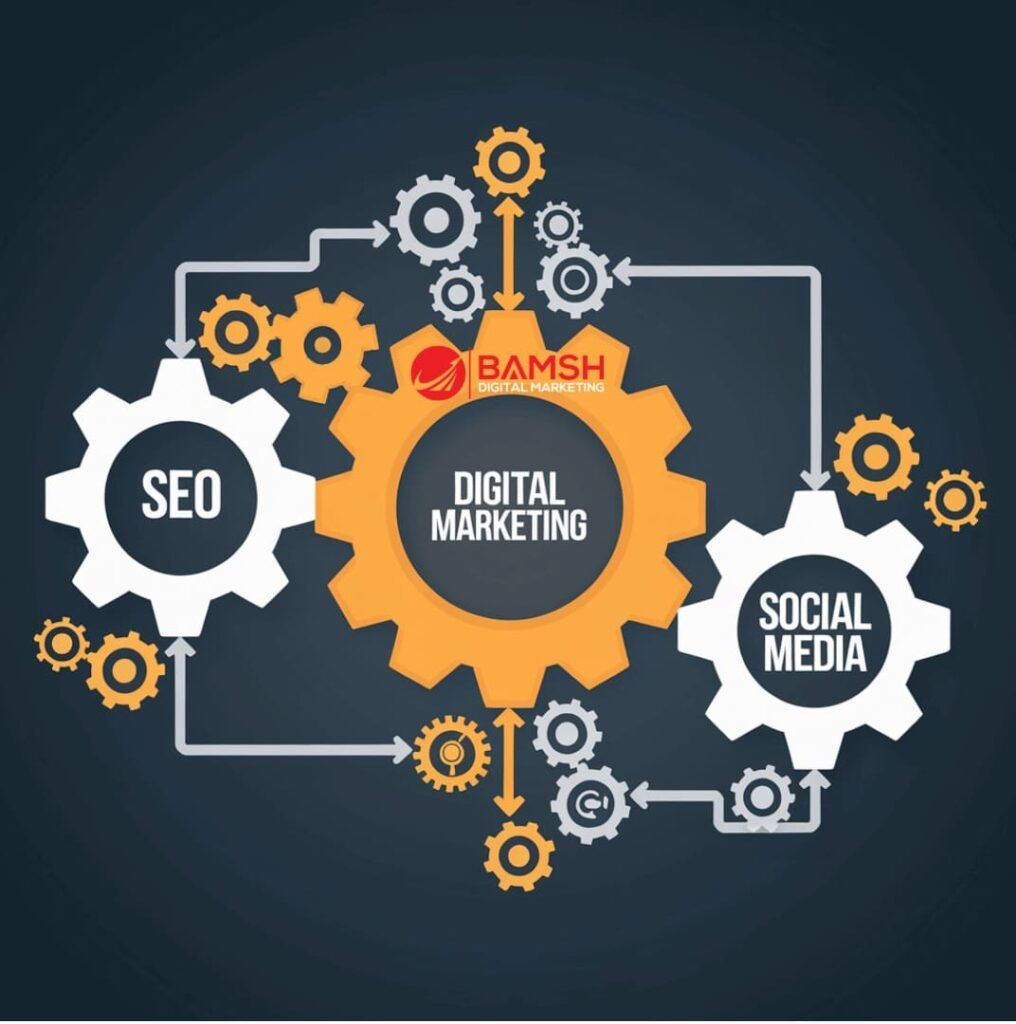

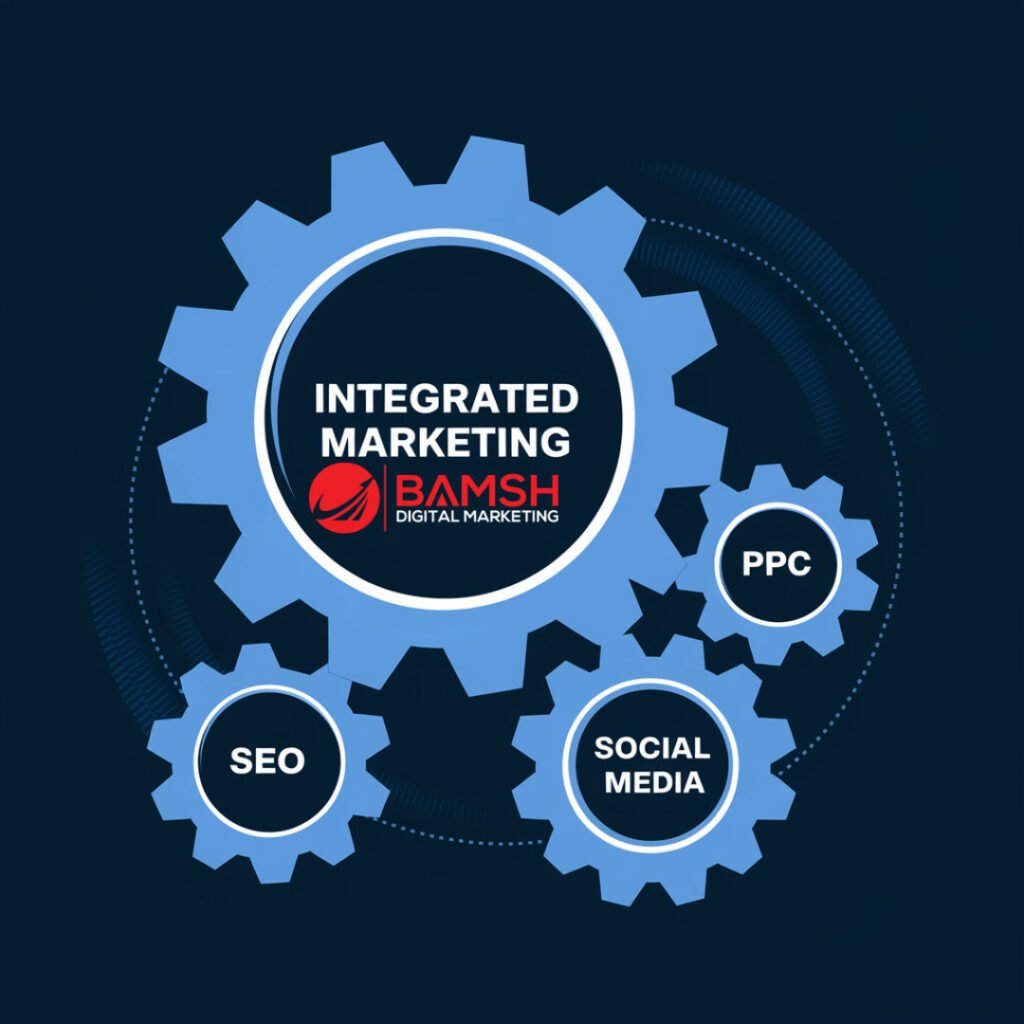
Core Components of Integrated Digital Marketing
To understand how integrated digital marketing drives growth, let’s break down its essential elements. Each component plays a unique role, and together they form a powerful toolkit to engage, convert, and retain your customers.
Search Engine Optimisation (SEO): Your Visibility Engine
How Does SEO Attract the Right Traffic to Your Site?
Search Engine Optimisation is the foundation of any strong digital marketing strategy. It’s about making sure your website is visible to people searching for what you offer. Effective SEO involves everything from keyword optimisation to link-building, all geared towards ranking your business higher on search engines.
SEO Essentials for Effective Digital Marketing
- Keyword Research: Understand what terms your audience uses and optimise your content accordingly.
- On-Page SEO: Ensure your website content, headings, and tags are optimised for search engines.
- Link Building: Establish your website’s authority by securing quality backlinks from reputable sources.
- Technical SEO: Ensure your website is fast, mobile-friendly, and easy to navigate.
Pay-Per-Click Advertising (PPC): Instant Visibility with Precision
What Can PPC Offer That SEO Can’t?
While SEO is a long-term strategy, PPC delivers quick results. Pay-Per-Click advertising lets you bid for placement in search engine results and social media feeds, ensuring your message reaches the right people, right when they’re ready to engage. PPC is an ideal way to complement SEO efforts, targeting immediate traffic.
Steps to Launch a Successful PPC Campaign
- Define Goals: Determine the purpose of each campaign, whether it’s awareness, engagement, or conversion.
- Targeted Keywords: Use focused keywords for high-quality leads.
- Create Compelling Ad Copy: Make each ad clear, compelling, and directly relevant to your audience.
- Monitor and Refine: Track performance and make adjustments to optimise budget and impact.
Social Media Marketing: Building Connections with Your Audience
Why Is Social Media Crucial for Modern Marketing?
Social media offers businesses a unique opportunity to engage with customers on a personal level. It’s where brands can build trust, demonstrate their personality, and directly respond to customer feedback. A solid social media strategy can turn followers into loyal advocates.
Effective Social Media MarketingStrategies
- Platform Selection: Choose platforms where your target audience is active.
- Content Planning: Use a calendar to keep your posts consistent and relevant.
- Engagement: Respond to comments, share relevant content, and encourage discussions.
- Analytics: Track performance to understand what content resonates with your audience.
Content Marketing: Creating Value that Drives Engagement
How Does Content Convert Browsers into Buyers?
Content marketing is about delivering valuable information to your audience that builds trust and positions you as an industry leader. Through blogs, videos, infographics, and other content formats, you can educate, entertain, and inspire your audience, nurturing leads and driving conversions.
Steps for High-Impact Content Marketing
- Audience Research: Understand what questions and challenges your audience faces.
- Competitor Research: Who is getting the website traffic that you want? And how!
- Content Variety: Use a mix of content types to engage different audience preferences.
- SEO-Optimised Content: Ensure your content is easily discoverable through search engines.
- Regular Updates: Keep your content fresh, relevant, and aligned with evolving customer needs.
Email Marketing: Nurturing Relationships Over Time
How Does Email Keep Your Audience Engaged Long-Term?
Email marketing is one of the most effective tools for nurturing customer relationships. It allows you to communicate directly with leads and customers, keeping them informed, engaged, and loyal over time. With personalisation and segmentation, email marketing can be a powerful tool for building trust and converting leads.
Best Practices for Email MarketingSuccess
- Segment Your List: Target different messages to different groups based on their behaviour and interests.
- Automation: Set up drip campaigns to send timely, relevant emails without constant manual effort.
- Engaging Content: Use strong subject lines, personalisation, and clear calls-to-action.
- Regular Analysis: Review performance metrics to understand what works and refine your approach.
Each of these core components plays a critical role in a holistic digital marketing strategy. By integrating them into a cohesive plan, your business will be positioned to attract the right audience, engage them effectively, and convert them into loyal customers.